
The content of this website is intended for the education and use of healthcare professionals only.
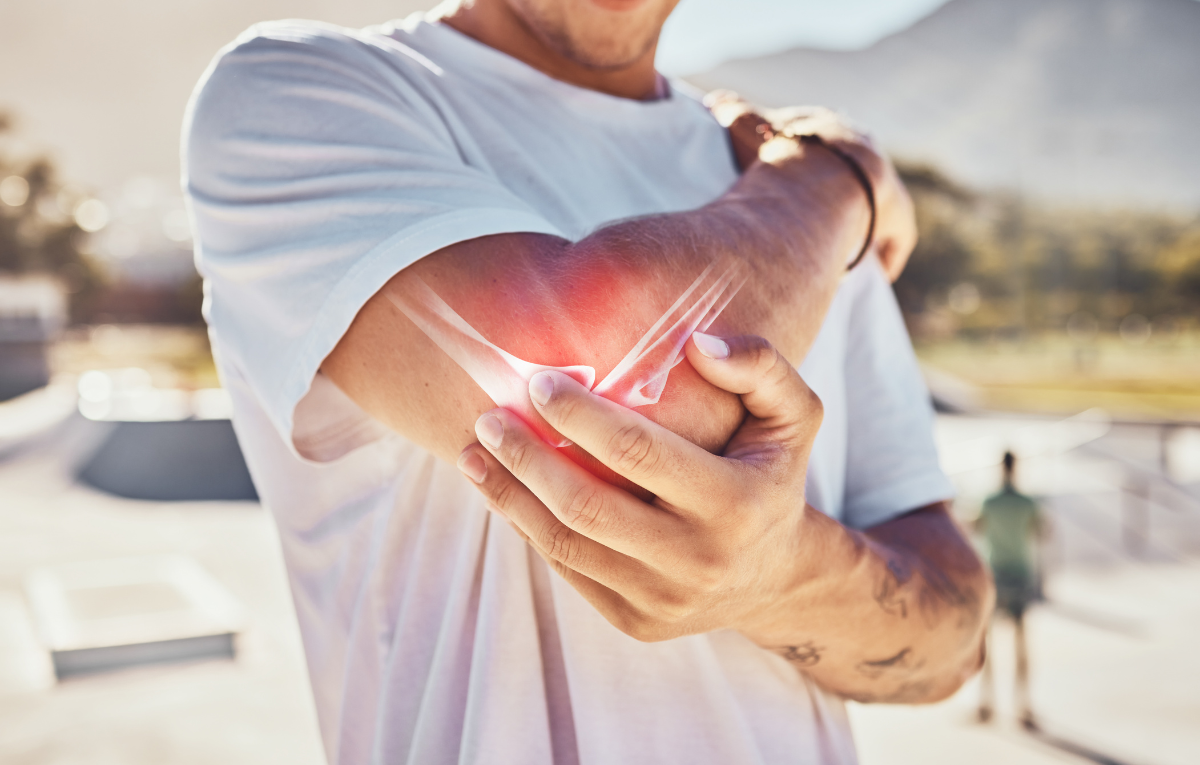
Many people assume arthritis and joint pain are part of getting older. They often feel helpless in preventing joint pain.
What if patients understood that they could prevent or reduce joint pain? The positive domino effect could be significant. This article highlights common causes of joint pain and strategies for preventing it. Keep reading to learn how to help patients reduce pain and increase mobility.
Arthritis is the most common cause of joint pain. Some problems that notoriously cause joint pain include:
“Drink your milk.” As children, we hear this statement frequently. Mom understood that children need a diet rich in calcium to build strong and healthy bones. During childhood, the body is rapidly building bone. However, people reach their peak bone mass around 30. At that time, bone mass begins to decline.
Certain risk factors are nonmodifiable, like sex and genetics. For example, petite women are at increased risk of developing osteoporosis. This condition contributes to fractures and falls. However, addressing other contributing factors, like diet and exercise, can promote bone health.
People do not always understand how to promote bone health and prevent joint pain as they age. Patients may assume that joint pain and arthritis are their lot in life. They may think, “I’m going to have to suck it up. Pain is just part of getting older.” Physicians can help patients understand ways to promote bone health.
In children and adolescents, calcium supports bone production. As a person advancing in age, the body does not produce more bone mass. However, older people still need adequate calcium. The body uses calcium to support and strengthen the present bones. Some foods rich in calcium include:
Patients may prefer to take a calcium supplement. The recommended dietary allowance (RDA) is 1,000 milligrams per day. However, women 51 or older and men 71 or older should increase that amount to 1,200 milligrams daily.
Vitamin D helps the body absorb calcium. These minerals work in tandem to support bone health. Some vitamin D sources include:
The RDA for adults is 600 international units (IUs) daily. Patients 71 or older should increase this amount to 800 IUs.
According to the National Institute of Health (NIH), tobacco smoking can increase bone loss. Smoking leads to decreased bone mass, increasing a person’s risk for osteoporosis.
The development of osteoporosis depends on two primary factors
The goal of bone health for adults is to slow the loss of bone mass. Patients can implement these simple strategies to slow bone loss.
One fall increases the risk of another. The risk of bone fractures is highest the year after a person breaks a bone. Those who have broken a bone must take safety measures to prevent subsequent falls. Physicians may recommend physical therapy. Establishing an exercise plan reduces the risk of falls in the following ways:
These activities ultimately reduce the risk of falls and bone fractures. A holistic exercise plan should include:
Patients can also prevent falls with proactive home safety improvements. Rugs, electrical cords and unsupportive shoes are common causes of injury. Medical staff can help prevent future falls by facilitating home safety evaluations.
Patients often feel embarrassed about using a mobility device, like a cane or walker. Empathetic conversations help patients overcome these insecurities and embrace strategies that promote mobility. In the long run, these mobility tools help them do the things they love. Playing with grandkids or going to the grocery store is not as daunting with the right tools.
Joint pain may persist even after diet modifications, physical therapy and medical support. For chronic or debilitating joint pain, patients should discuss surgical options. Joint replacement is not the only surgical option for addressing joint pain.
Supporting bone health is the best way to prevent joint pain. However, surgical interventions are viable options for many patients. These innovative strategies often relieve the constant bother of joint pain, improving independence.
Joint pain is a widespread issue. It impacts physical and mental well-being. With appropriate strategies, patients can reduce joint pain, enhancing their quality of life. Educating individuals about these measures empowers them to take control of their health.
Joint pain can prevent your patients from living their best lives. We commit to helping patients enjoy a healthy, happy and active life. We are here as your partner in care. Click the “Refer” button to get started.
Resources
“Preventing Another Broken Bone.” NIH: National Institute of Arthritis and Musculoskeletal and Skin Diseases, 2023, Preventing Another Broken Bone | NIAMS.
“Bone health: Tips to keep your bones healthy.” Mayo Clinic, 2022, Bone health: Tips to keep your bones healthy – Mayo Clinic.
Subscribe to our MEDforum e-newsletter for the latest guidelines and information from Spring View Hospital.
